Step into any bustling dwelling house kitchen or restaurant, and someday the query of cookware determination comes up. When it comes to woks - the coronary heart and soul of stir-fries, fried rice, and rather a lot greater - chefs in finding themselves settling on among cast iron and carbon steel. Both have deep roots in culinary heritage. Both can produce mouthwatering effects. Yet, their variations are far from trivial.
Having cooked professionally in wok stations and experimented at dwelling house for decades, I actually have viewed firsthand how every one subject material shapes now not just the food, yet also the rhythm and experience of cooking. This isn't really really a subject of custom as opposed to fashion. The determination between a forged iron wok and a carbon steel one touches on taste, procedure, protection, or even exclusive variety inside the kitchen.
The Character of Each Material
Cast iron and carbon metallic share a unique old-international appeal. They each require seasoning - that is, construction up a layer of polymerized oil for safety and nonstick properties. They both eschew shiny shades and https://www.cookwarereviewhub.com/contact/ synthetic coatings. Yet they diverge in composition and habits.
Cast iron is dense and heavy. Traditional Chinese forged iron woks is usually tremendously thin-walled when put next to Western skillets, however then again, they maintain warmness with obdurate tenacity. Carbon metallic is lighter and greater responsive. It heats up without delay and cools down just as immediate. The distinction isn't always refined. Slide your hand alongside both, and you can consider it: the silky patina setting up on good-used carbon steel, the granular texture of seasoned solid iron.
A conventional carbon steel wok most often weighs among 2 and five pounds for a 14-inch adaptation. Its solid iron counterpart might tip the dimensions in the direction of 7 pounds or extra. For a few cooks, that heft feels reassuring. For others, it means fatigue after a few minutes of tossing noodles.
Stir-Frying: Speed Versus Stability
The heart of wok cooking lies in stir-frying. High warm, quickly move, and accurate manipulate are essential. Here, carbon metal shines. A useful carbon metal wok can pass from room temperature to blazing scorching in beneath a minute on a ideal burner. That quickly response is central should you need to sear aromatics or toss veggies in order that they remain crisp-soft.
Cast iron’s slower heat-up time may also be a challenge for this sort. However, as soon as that's sizzling, it stays scorching. For dishes that advantage from sustained, even heat - suppose shallow frying or a frittata-like egg foo younger - forged iron’s thermal mass is an advantage. In busy kitchens with underpowered stoves, that retention can make a distinction. You can drop in a significant handful of chilly parts with no dropping your sizzle.
Personal ride: I nevertheless be aware my first test at pad thai on a forged iron wok. The noodles steamed other than seared. I discovered too overdue that my dwelling stove quickly could not muster satisfactory warm for that heavyweight vessel. Swapping to carbon steel solved it. The change used to be quick: charred edges on tofu, snappy bean sprouts, and now not a hint of sogginess.
Seasoning and Maintenance
Both types demand care. Seasoning just isn't elective; it's far necessary for functionality and sturdiness.
Carbon steel seasons speedy. After burning off the manufacturing unit oil and utilising your own layer (flaxseed oil is commonplace, although lard or canola paintings just as nicely), you will get a thin patina after just several stir-fries. The floor grows slick with use. If you by chance scour via the seasoning, it is easy to rebuild. Most chefs really wipe the wok with oil after cleansing and revisit excessive-heat seasoning every so often.
Cast iron woks enhance seasoning extra slowly. The pores within the metal can trap moisture whenever you should not diligent approximately drying and oiling after every use. In humid climates, rust can creep in in a single day. On the flip part, as soon as normal, a cast iron seasoning can stand up to more abuse: bigger oven temperatures, deeper scrubbing. There is something deeply pleasurable approximately the deep black sheen of an historic solid iron wok, evidence of 1000s of ingredients cooked and shared.
One aspect case: should you cook dinner acidic dishes (tomato-primarily based sauces, vinegar-heavy stir-fries), either material can lose a few seasoning. Carbon steel reacts sooner, leaving in the back of steel flavors for those who linger. Cast iron is extra forgiving yet nonetheless reward from steered cleansing after acidic meals.
Everyday Practicalities: Handling and Storage
A wok isn't just a cooking surface. It is a software meant to be wielded. Here is in which weight and handle layout rely. Most carbon metallic woks come with a single lengthy care for (the “Northern” trend) or two small loop handles (the “Cantonese” kind). Cast iron woks primarily characteristic the dual handles by means of their heft. If you intend to toss cuisine with one hand, carbon steel is significantly more achievable. Even 15 mins into a busy dinner provider, my hands certainly not tire with a three-pound carbon metal wok. Cast iron requires two hands or a amazing wrist, fairly when aiming for these dramatic tosses that aerate and sear at the same time.
Storage is some other ingredient. Carbon metallic’s lighter construct enables you to cling it on a pot rack or slip it into tight areas. Cast iron’s bulk can also be unwieldy. Some cooks preserve their solid iron wok completely on the range as a sort of badge of honor (and as an excuse to take advantage of it perpetually). Neither drapery should always be left rainy or stacked with different pans; moisture is the enemy.
Heat Sources and Versatility
Not each kitchen has a roaring gas burner. In fact, many dwelling house chefs make do with electrical coils or induction hobs. Both types of wok will probably be tailored, however with caveats. A flat-bottomed carbon steel wok works properly on electric or induction. Round-bottomed items can wobble dangerously until you operate a wok ring, which will sap warm from electric stoves.
Cast iron’s even base makes it greater forgiving on glass-true degrees. Its weight guarantees complete touch with the burner. That acknowledged, so much induction cooktops have sensors a good way to now not determine thinner carbon metallic woks unless they make marvelous touch. Cast iron is much less fussy right here.
Beyond stir-frying, equally woks can deal with deep-frying, steaming (with a bamboo or metallic rack), simmering stews, and even roasting peanuts or espresso beans. The solid iron wok excels at initiatives in which continuous, enveloping heat is required. Carbon metal is unbeatable for rapid searing or after you need to swap temperatures immediately.
Flavor and Wok Hei
Every prepare dinner chasing true Chinese flavors has heard of “wok hei” - that elusive breath of the wok. It is a made from extreme heat, brief action, and smoky aroma. Carbon metallic is often credited with making this you could at dwelling house. Its thin partitions can succeed in temperatures above seven-hundred°F in the event that your burner is up to the assignment. You can see onions blister virtually instantly, scent garlic caramelize earlier it has a threat to burn.
Cast iron can give a few wok hei within the good hands, incredibly with adequate preheating. But as it loses warmth much less promptly whilst chilly substances hit the pan, meals may possibly steam in place of sear except you're employed in small batches and deliver a whole lot of time for restoration. In eating places with mega-BTU burners, chefs every now and then use forged iron for greater batch cooking in which consistency matters extra than cut up-2d searing.
Anecdotally, my personal tries at Cantonese-genre fried rice tasted dull unless I switched to carbon metal. The change become now not so much in nonstick capability however in that elusive smoky notice - onerous to describe however right away recognizable once you've tasted it.
Cleaning Up: Myths and Realities
There is a chronic fable that woks should certainly not be washed with soap. In truth, easy cleaning soap is exceptional so long as you rinse competently and dry straight away. The predominant threat is scrubbing away seasoning or letting water linger lengthy ample to rust both metallic.
After stir-frying in carbon metallic, I ordinarily rinse with scorching water and wipe dry over low heat. Occasionally I will use a delicate sponge with a drop of cleaning soap if there's stuck-on residue. For solid iron, the strategy is identical however needs additional vigilance about drying; trapped water under the seasoning layer can motive pitting rust in a single day.
For each forms: by no means soak overnight. Never run as a result of the dishwasher. Never retailer without oiling gently. These guidelines sound strict yet come to be 2d nature after a number of weeks’ use.
Durability and Longevity
With exact care, both kind can closing generations. Carbon metallic is less brittle; it might warp less than extreme warmness or overlook but hardly ever cracks. Cast iron is powerful yet can fracture if dropped onto tile or stone floors. I actually have considered century-outdated forged iron woks surpassed down through households in Guangzhou as heirlooms, their surfaces glassy-soft from many years of day-by-day nutrition.
With heavy use (restaurant kitchens firing hundreds of thousands of dishes in line with nighttime), carbon steel woks may possibly need replacing each and every few years through thinning or warping. In home kitchens, equally forms are on the whole lifetime investments.
Cost and Availability
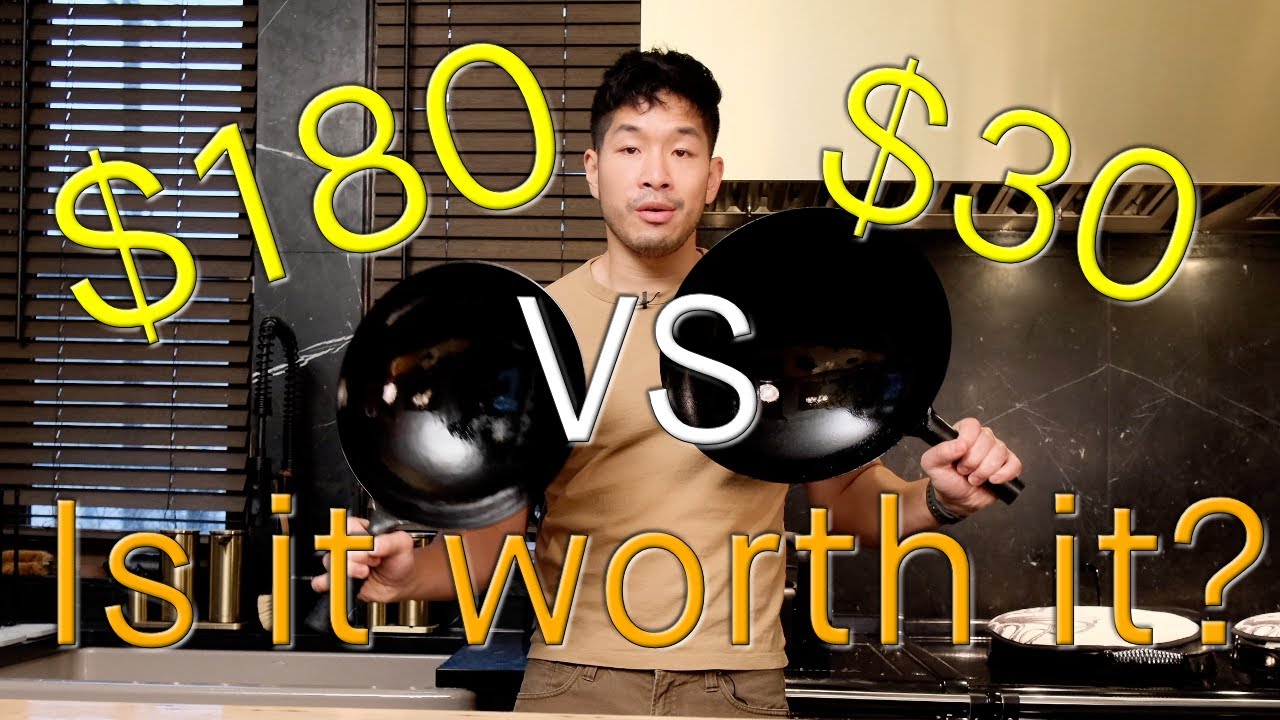
For most dwelling house chefs in North America or Europe, properly first-rate carbon metal woks are largely achieveable and comparatively comparatively cheap. Expect to pay anyplace from $30 to $70 for a nicely-made 14-inch mannequin. Cast iron woks are less ordinary backyard Asia but would be came upon on-line or by specialty importers. Prices vary greatly: regular hand-hammered Chinese solid iron woks can charge $forty to $100 or more; Western manufacturers regularly run larger as a consequence of branding or completing touches.
Some mass-marketplace “cast iron woks” are very nearly deep skillets with rounded sides as opposed to good woks; these lack the thinness and form needed for correct Chinese method.
When Each Shines: Matching Wok to Task
It is tempting to declare a winner among cast iron and carbon metal. The truth is extra nuanced. Each excels beneath designated situations.
Here is a quick reference whilst making your preference:
| Task | Cast Iron Wok | Carbon Steel Wok | |-----------------------------|---------------------------|-------------------------| | High-warmness stir-frying | Serviceable (with time) | Excellent | | Deep-frying | Excellent | Excellent | | Steaming | Very appropriate | Very top | | Simmering/soups | Excellent | Good | | Egg-based totally dishes | Excellent (with seasoning)| Good | | Tossing food | Difficult (heavy) | Easy | | Use on induction/electric powered | Good (flat base) | Very correct (if flat) | | Achieving wok hei | Possible (with staying power) | Best |
This desk simplifies reality truly. For instance, if your best range is electric and occasional-powered, forged iron could come up with bigger outcomes by using preserving warmth longer. If you significance turbo temperature shifts or plan to cook dinner classic Cantonese boulevard meals at residence, carbon metal will believe like an extension of your hand.
Common Pitfalls and How to Avoid Them
Every cook has made rookie errors with woks. Here are 5 reasonable suggestions (in record form for readability):
Preheat competently in the past including oil or cuisine; equally metals participate in biggest while warm adequate to shimmer oil out of the blue. Dry at once after washing to steer clear of rust; leave over low warm for a minute or two. Use satisfactory oil all through preliminary seasonings; skimping ends up in patchy surfaces. Avoid cooking relatively acidic ingredients until eventually seasoning is properly-evolved. If rust appears to be like, scrub gently with metallic wool and re-season; do no longer panic.The Personal Factor: How Cooking Feels
In the finish, cookware possible choices are deeply exclusive. Some cooks love the ritual heft and heritage of cast iron. Others delight in the nimbleness of carbon metallic. For me, carbon metallic is my conventional associate - faded ample for frantic weeknight dinners yet robust ample for celebration-sized fried rice feasts. But when making mapo tofu or simmering a batch of crimson-cooked beef stomach, I reach for cast iron anytime.
If you want devices and protection routines, cast iron grants a worthwhile tour in the direction of perfection. If you desire minimum fuss and highest pace, carbon metal will avoid pace together with your creativity.
Final Thoughts: Which Should You Choose?
There is not any single gold standard solution inside the “Cast Iron Wok vs Carbon Steel” debate. The such a lot flexible kitchens often have equally inside arm’s reach. For learners or these restricted with the aid of finances or garage space, beginning with carbon metal except you will have a selected rationale (along with electrical-purely cooking or a hobby for gradual braises) to favor solid iron.
Season your wok with persistence and care. Cook ceaselessly enough that it certainly not gathers mud. Over time, you could construct no longer simply taste yet confidence - and perchance bypass down your prominent wok to every other era of enthusiastic cooks.